Play-Based Learning
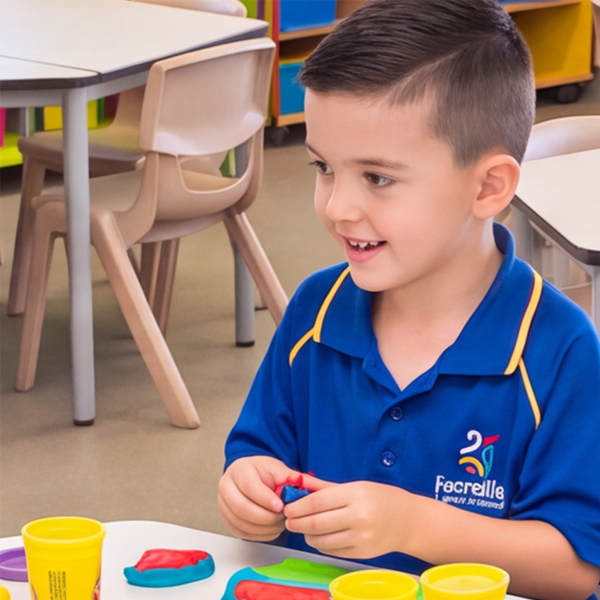
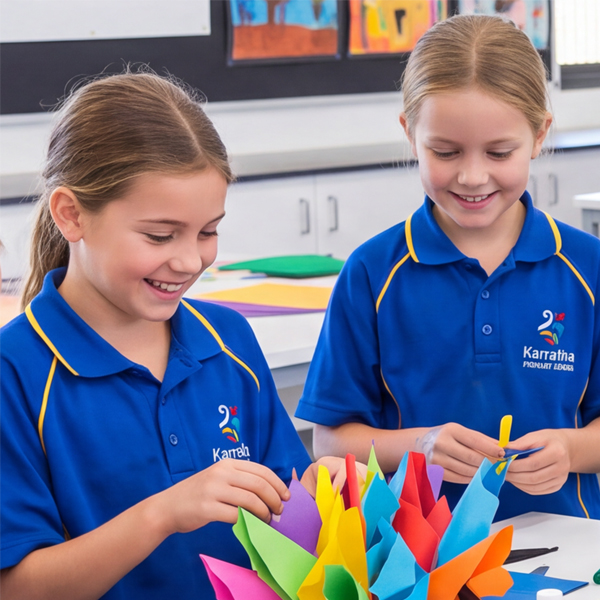
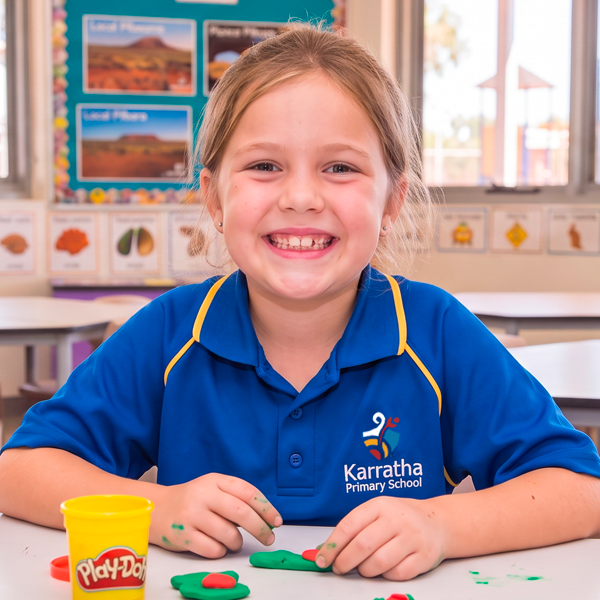
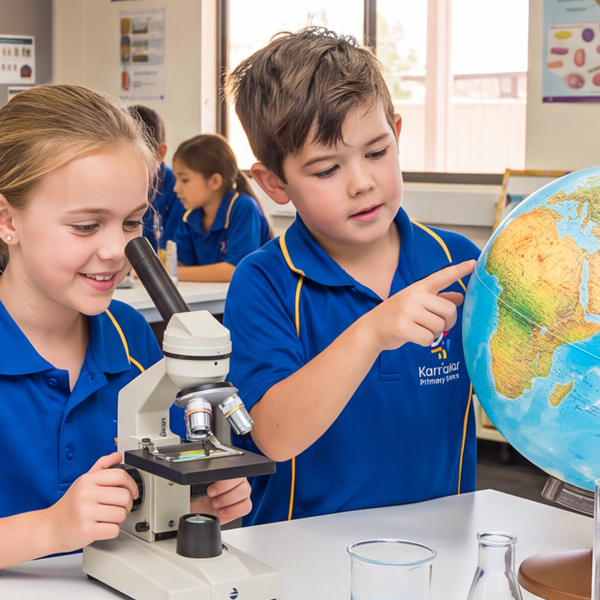
Students from Kindergarten to Year 2 engage in play-based learning. ‘Discovery Time’ (based on the Walker Learning Approach) allows students to be involved in meaningful learning that is relevant and developmentally appropriate within an intrinsically motivating learning environment.
Kindergarten to Year 2 teachers will undergo training to ensure they are equipped with the necessary knowledge and skills to deliver Discovery Time in the most effective way. Discovery Time Statements of Intent must be regularly updated and displayed for parents. This would usually occur once a fortnight.
Belonging, Being and Becoming – The Early Years Learning Framework describes the principles, practice, and outcomes essential to support and enhance young children’s learning from birth to five years of age, as well as their transition to school.
The KPS ECE Philosophy Statement guides all aspects of the school’s operations in the early childhood years of Kindy to Year 2. The philosophy statement aligns with the Early Years Learning Framework, the Kindergarten Guidelines, and the WA Curriculum.
Being: At Karratha Primary School we believe in embracing a holistic learning experience where the school and community work together to support every child to become a successful lifelong learner. We aim to build relationships that are inclusive and develop each child’s sense of belonging. The school believes that every child is valued, unique and powerful.
Becoming: Educators have high expectations, whilst differentiating the program to cater for diversity. Intentional instruction on new concepts is balanced with opportunities for choice and playful practice. Educators provide experiences that require effort, but are achievable, to help develop the child’s independence and confidence.
Belonging: The school recognises that parents are the primary influence in a child’s life and we therefore strive to develop close links with the home and family. Families are encouraged to share their culture with the school community. Karratha Primary School strives to make every child’s first experience with school happy and meaningful.
Karratha Primary School strives to make every child’s first experience with school happy and meaningful.
Understand Play-Based Learning in the Early Years
Educators provide play-based learning through hands-on opportunities to construct knowledge, develop personal skills and cooperate with others.
Early childhood educators provide play-based learning so children can:
- learn new concepts and skills
- express their individuality
- develop a sense of identity and wellbeing
- enhance their curiosity and creativity
- build relationships and resilience
- experience and understand difference and diversity
- make connections between prior experiences and new learning.
- play-based learning can be spontaneous or planned.
Educators intentionally:
- focus on the emotional, organisational, and instructional aspects of teaching
- allow sufficient time for purposeful play to occur
- plan experiences linked to the curriculum based on their knowledge of the children
- make learning meaningful through challenging and achievable goals
- differentiate the curriculum through open-ended experiences and age-appropriate strategies
- design questions to stimulate children’s thinking
- use observations and assessments to inform planning.
Educators implement play-based learning through an interactive and blended approach of three broad types:
- child-initiated
- guided
- adult led
Educators intentionally:
- engage with children’s interests and current understandings
- introduce concepts that extend learning
- encourage children to wonder, ask questions and explore solutions
- listen carefully and respond to what children say
- extend children’s thinking by asking increasingly complex questions
- assess children’s development and learning.
The National Quality Standard specifies the required features of the education and care services provided to all Australian children. An annual audit determines whether the school is meeting each of the standards for all children in Kindy to Year 2.